

Introduction
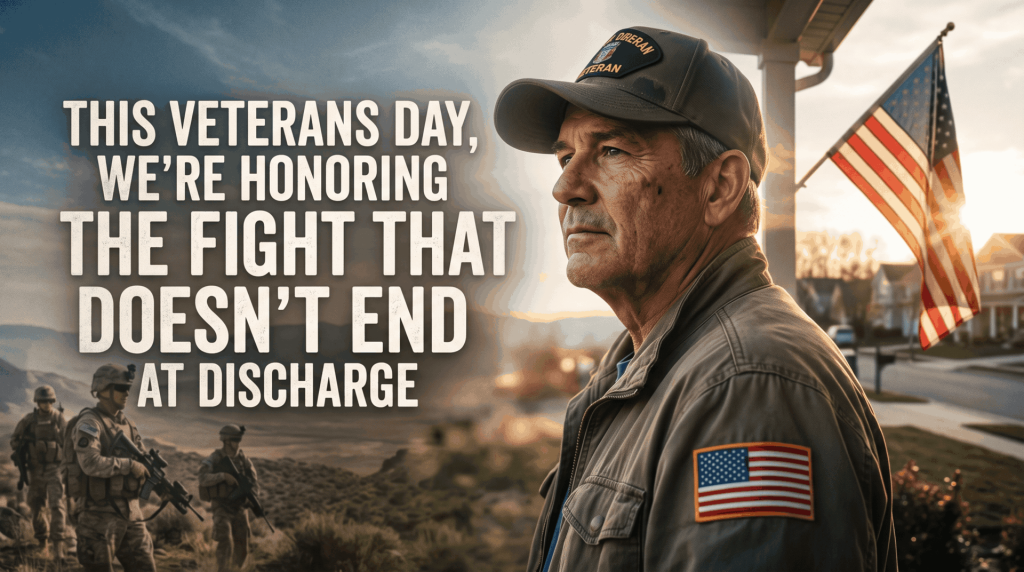
Every November, a lot of businesses put up a flag graphic, say thank you, and move on. We want to do something different this year. Because for most of the veterans we sit down with, the real fight didn’t end when they took off the uniform — it started after. A deployment that still shows up in their sleep. An injury nobody flagged at the time because there was no time to flag it. A diagnosis that took years to even get a name. This Veterans Day, we wanted to write something honest about that — and about the veterans who kept pushing for what they’d earned, even when the answer was no.
What This Message Is Really About
This isn’t a polished mission statement. It’s what we actually see, week after week. Veterans who got denied once, twice, sometimes three times, and just… kept going. Others who never even filed, because they figured their situation “wasn’t bad enough” to bother the VA with, or because the idea of the paperwork alone was exhausting to think about.
We started VVC because we got tired of watching good people leave money on the table — not because they didn’t deserve it, but because the system is genuinely hard to navigate, and nobody hands you a manual. Sometimes the difference between a denial and an approval is one missing letter from a doctor. Sometimes it’s a condition nobody thought to mention because it didn’t seem “related.” Every rating percentage has a real person behind it, living with the outcome. That’s what we think about on a day like today.
Who We’re Thinking About Today
If you were denied once and figured that was the end of it — this is for you. If you’ve had the same rating for years and never questioned whether it still fits — this is for you too. If you filed on your own, got a partial answer, and had no idea there was more to ask for, we see you. And if you haven’t filed anything at all, because the whole thing felt like too much to take on by yourself, that’s more common than you’d think.
None of these are edge cases. They’re the norm. Almost every veteran we talk to fits into one of them somewhere, and honestly, that’s not a coincidence — it’s what the system tends to do to people who are already carrying enough.
What Taking the Next Step Actually Looks Like
You don’t have to show up with a folder full of paperwork. Here’s what it usually looks like instead:
- You call, we talk. No forms, no commitment — just a real conversation about where things stand for you.
- We go through your history together. Never filed? Have an old denial? A rating that feels wrong? We start wherever you are.
- We look for what’s missing. More often than not, it’s not that someone doesn’t qualify — it’s that the paperwork never told the full story.
- We figure out the right move. Sometimes that’s a new claim, sometimes it’s an appeal, sometimes it’s requesting a higher rating on something already approved.
- You’re not doing the rest alone. From gathering records to understanding what a decision letter actually means, we stay in it with you.
Honestly, picking up the phone is usually the hardest part. Everything after that is just a conversation.
A Few Stories That Stick With Us
A quick note — these are composite examples built from patterns we see often, not direct quotes from specific clients. [Cam: if you’ve got real stories we can use with permission, send them over and I’ll swap these in — they’ll land a lot better than anything I write.]
One veteran came to us after being denied for PTSD twice. Both times, he was told the evidence “wasn’t sufficient.” It wasn’t that the VA didn’t believe him — it was that his stressor statement was too vague, and nobody had connected the dots with a proper nexus letter. Once we rebuilt the claim with real specifics, he ended up at 70%, plus a secondary claim for sleep apnea nobody had thought to file before.
Another had lived with a 30% back injury rating for over ten years. He had no idea the chronic pain had also contributed to depression and, eventually, sleep apnea. Filing both as secondary conditions meant real money that had simply been sitting unclaimed the whole time.
And then there are the ones who come to us before filing anything at all — usually right after separation. We build the claim right the first time, and there’s no appeal to fight, no months of waiting on a correction. That one’s our favorite kind of story, honestly, because it means we got there early enough to save someone a fight altogether.
Small Ways to Honor the Day
If you’re reading this and you’re not the veteran, here’s what actually helps:
- Call someone. Not a text — an actual call. A lot of veterans feel more distant from civilian life than people realize, and a real conversation goes further than a “thank you for your service” ever will.
- Point someone toward a Vet Center. They offer free counseling, and you don’t need a rating or VA enrollment to walk in.
- Ask about an old claim. A lot of veterans assume a denial from years ago is permanent. It usually isn’t.
- Learn a little about how VA disability actually works. Even the basics make you a better advocate for someone you care about.
- Show up again in a month, not just today. That’s the part that actually means something.
Where VVC Comes In
We’re not here to just fill out forms. We’re here so a veteran doesn’t have to figure this out completely on their own, and doesn’t have to settle for a rating that doesn’t match what they’re actually living with. Whether it’s your first claim, a fight against a denial, or a rating you’ve been sitting with for years, we read the details closely enough to know exactly what went wrong the first time — instead of just resubmitting the same thing and hoping for better luck.
FAQ
Is the consultation actually free? Yes. No catch, no obligation — just a real conversation about where you stand.
I got denied years ago. Is it too late? Usually not. Depending on your situation, you might be able to file something new, ask for an increase, or in some cases, appeal.
What if I’ve genuinely never filed anything? Totally normal starting point. We’ll walk through your history and figure out what’s actually worth filing.
Do I need my records together before I call? Nope. That’s part of what we help sort out together.
Does this only apply to combat injuries? Not at all. Training injuries, conditions that show up years later, secondary conditions — all of it counts.
My last denial felt pretty final. Should I even bother? Yes, honestly. Denial letters explain exactly why the VA said no — and that reason is usually the roadmap for what a stronger claim needs.
Conclusion
Veterans Day is one day. The work doesn’t stop when it’s over, and honestly, neither should the thank-yous. If you’re carrying a denial, a rating that’s never felt right, or a claim you keep meaning to get to — today’s as good a day as any to make the call. You don’t have to have it figured out first. That’s kind of the point.
