

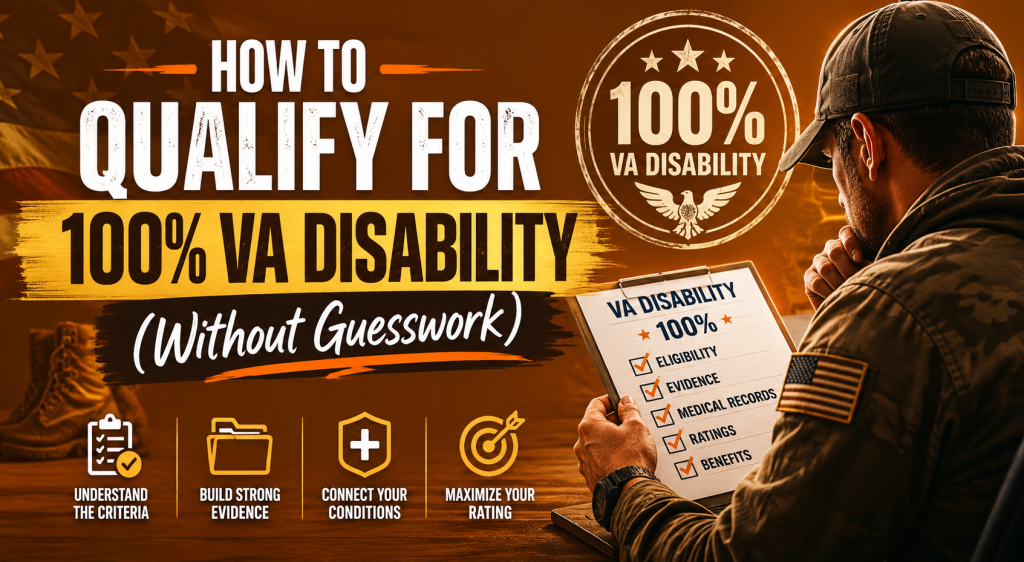
If you are searching for a VA claim success story, you are probably looking for real proof that increasing a VA disability rating is possible with the right strategy, medical evidence, and filing approach.
Many veterans believe their first VA rating is permanent, but this VA claim success story shows how one veteran significantly increased compensation through proper documentation, secondary conditions, and structured filing through the VA disability compensation system.
This real-world VA claim success story explains how proper preparation and evidence can dramatically improve the outcome of a disability claim.
VA Claim Success Story: The Veteran’s Initial Rating

At the beginning of the claims process, the veteran received a combined 40% VA disability rating for service-connected orthopedic injuries.
The initial claim included:
- 40% combined disability rating
- Primary service-connected knee injury
- Limited evidence showing worsening symptoms
- No nexus letters connecting related conditions
- No secondary conditions claimed
Although the veteran experienced chronic pain and mobility problems, the medical records did not fully support a higher rating.
This is a common situation many veterans face before building a successful VA claim strategy.
Step 1: Building Strong Medical Evidence
One of the biggest lessons from this VA claim success story is the importance of medical documentation.
The veteran began collecting stronger medical evidence, including:
- Orthopedic specialist evaluations
- MRI and X-ray imaging results
- Physical therapy treatment records
- Chronic pain progression notes
- Functional mobility assessments
Consistent treatment records created a clear timeline showing the service-connected condition had worsened over time.
Strong evidence is often the foundation of a successful VA disability increase.
Step 2: Identifying Secondary Conditions
A major turning point in this VA claim success story involved identifying secondary conditions connected to the original knee injury.
Over time, the veteran developed:
- Lower back pain from altered walking patterns
- Hip strain caused by knee instability
- Chronic inflammation affecting mobility
- Work limitations caused by pain and reduced movement
Secondary conditions are one of the most overlooked ways veterans can increase their combined VA disability rating.
Because the VA uses combined rating calculations, additional approved conditions can significantly raise overall compensation.
Step 3: Using Nexus Letters to Strengthen the Claim
Another important part of this VA claim success story was obtaining medical nexus letters.
The medical opinions explained that:
- The knee injury caused abnormal gait mechanics
- The altered movement contributed to hip and back problems
- The secondary conditions were “at least as likely as not” connected to military service
Nexus letters are often critical for secondary VA disability claims because they establish the medical connection between conditions.
Without nexus evidence, many secondary claims are denied.
Step 4: Filing a Supplemental VA Claim
Instead of starting over with a brand-new claim, the veteran filed a supplemental claim with updated evidence.
The supplemental claim included:
- Updated treatment records
- New imaging results
- Nexus letters
- Secondary disability claims
- Evidence showing worsening symptoms
The U.S. Department of Veterans Affairs reviewed the updated evidence and reconsidered the claim.
This approach is often more effective than restarting the entire VA claims process from the beginning.
Step 5: Performing Well During the C&P Exam
The Compensation & Pension (C&P) exam played a major role in this VA claim success story.
During the exam, the veteran:
- Clearly described pain severity
- Explained mobility limitations honestly
- Discussed work-related difficulties
- Avoided minimizing symptoms
- Stayed consistent with medical records
Many veterans underestimate how important the C&P exam is during the VA claims process.
Accurate and consistent communication during the exam can heavily influence the final rating decision.
Final Outcome of This VA Claim Success Story
After reviewing the updated evidence, the VA approved several important changes.
The final results included:
- VA disability rating increased from 40% to 80%
- Secondary conditions approved
- Monthly compensation increased substantially
- Eligibility for additional VA benefits improved
Although the veteran did not immediately receive a schedular 100% rating, the higher combined rating created a stronger path toward future eligibility for Total Disability Individual Unemployability (TDIU) or additional increases.
This VA claim success story demonstrates how strong evidence and strategic filing can significantly improve results.
Key Lessons From This VA Claim Success Story
1. Secondary Conditions Can Increase Compensation
Many veterans overlook how one service-connected condition can lead to additional disabilities over time.
2. Medical Evidence Is Essential
Strong treatment records and updated documentation are critical for higher VA ratings.
3. Nexus Letters Strengthen Claims
Medical opinions connecting conditions often make the difference between approval and denial.
4. Strategy Matters
Veterans who organize evidence carefully and file strategically often achieve better outcomes.
Common Mistakes Veterans Make During VA Claims
Many veterans struggle to increase their ratings because they:
- Fail to claim secondary conditions
- Lack updated medical evidence
- Miss C&P exams
- Underreport symptoms
- Submit incomplete documentation
- Do not understand VA combined rating calculations
Avoiding these mistakes can improve the chances of approval.
What Veterans Can Learn From This VA Claim Success Story
This VA claim success story shows that veterans may improve their disability ratings by:
- Filing supplemental claims with new evidence
- Documenting worsening symptoms consistently
- Identifying secondary service-connected conditions
- Obtaining strong nexus letters
- Maintaining ongoing medical treatment
The VA claims process is heavily evidence-driven, meaning strong documentation can directly affect outcomes.
Final Thoughts
This VA claim success story proves that even veterans with lower initial ratings may significantly increase their compensation with the right evidence and filing strategy.
Successful VA disability claims are usually built on:
- Strong medical documentation
- Clear service connection
- Secondary condition claims
- Nexus letters
- Consistent treatment history
For veterans whose current VA rating does not fully reflect their condition, strengthening evidence and reviewing possible secondary disabilities may open the door to substantially higher compensation and future eligibility for 100% VA disability benefits.
