

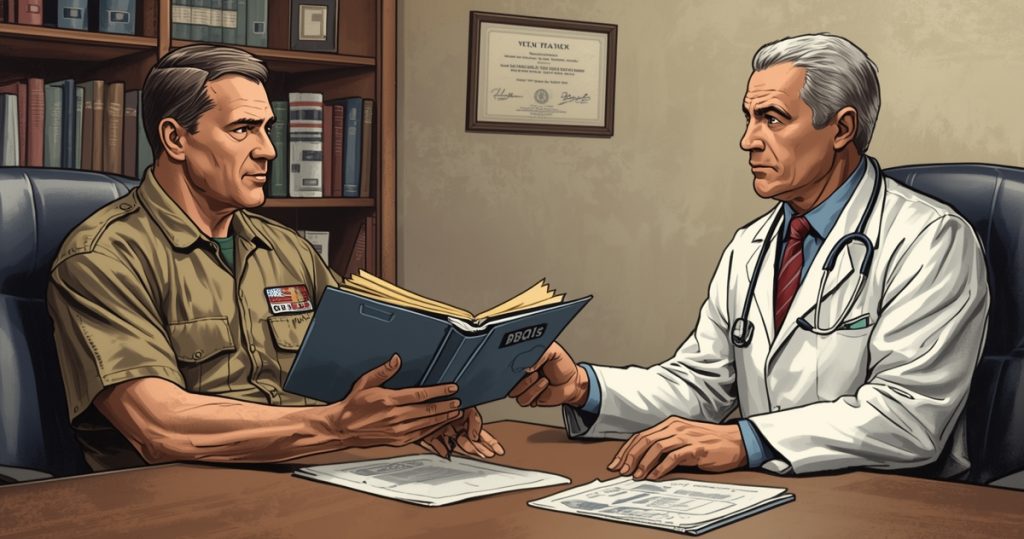
When veterans apply for disability benefits through the Department of Veterans Affairs (VA), one of the key pieces of documentation is the Disability Benefits Questionnaire (DBQ). This form helps determine the severity of a medical condition and directly impacts the disability rating and compensation level. While it sounds straightforward, the process of filling out DBQs often raises questions and challenges, especially when it comes to working with medical professionals. Understanding how to coordinate with doctors and specialists can make the process smoother and ensure accurate information is presented in your claim.
What is a DBQ and Why It Matters
A DBQ is a standardized form the VA uses to collect medical evidence about a veteran’s health condition. It includes detailed information about symptoms, diagnoses, and how the condition affects daily living. VA doctors can complete these forms during Compensation and Pension (C&P) exams, but private physicians can also fill them out. The benefit of using your own doctor is that they may have a better understanding of your medical history and how your condition has developed over time. Since the VA disability system bases compensation on evidence, a well-prepared DBQ can make a big difference in securing fair disability benefits for veterans.
The Role of Medical Professionals in DBQs
Medical professionals are central to the DBQ process because they provide the clinical documentation the VA needs to assess a disability claim. Their role includes:
- Conducting examinations and documenting symptoms accurately
- Providing test results and treatment histories
- Offering a medical opinion on how the condition impacts your quality of life and ability to work
Without precise and thorough input from doctors, DBQs may be incomplete, which can delay or even lower the outcome of a claim.
Common Challenges Veterans Face
Many veterans encounter difficulties when working with medical professionals on DBQs. Some common issues include:
- Lack of familiarity with VA forms: Not all doctors know how VA disability evaluations work, which can lead to incomplete forms.
- Time constraints: Doctors may not have much time to fill out detailed paperwork during regular appointments.
- Medical language vs. VA requirements: Sometimes the way a doctor explains a condition doesn’t match the VA’s rating criteria. This can create confusion or missed details.
- Access to specialists: Certain conditions require evaluations by specific specialists, which may not always be easy to arrange quickly.
How Veterans Can Prepare Before Meeting a Doctor
Preparation can make a big difference when it comes to DBQs. Here are some tips to help ensure your appointment is productive:
- Bring documentation: Gather past medical records, test results, and any previous disability-related paperwork.
- Be clear about symptoms: Write down how your condition affects daily life, including work, family, and routine tasks.
- Know the form: Review the DBQ in advance so you understand the sections your doctor will complete.
- Ask direct questions: Politely confirm that your doctor is comfortable completing the DBQ or, if not, ask for a referral to someone who is.
- Allow enough time: Schedule an appointment specifically for the DBQ instead of squeezing it into a regular checkup.
Tips for Coordinating Effectively with Medical Professionals
Good communication with your doctor is key. Here are a few strategies that work well:
- Explain the importance: Make sure your doctor understands how critical the DBQ is to your claim.
- Provide examples: Share how symptoms impact your daily life in real terms, like difficulty sleeping, standing, or lifting.
- Stay organized: Present information in a clear, concise way so your doctor can easily reference it.
- Follow up: If the form takes time to complete, check back politely to ensure it is submitted without unnecessary delay.
Why Professional Guidance Can Help
For many veterans, the DBQ process can feel overwhelming, especially when balancing medical appointments, paperwork, and VA requirements. This is where seeking guidance from veterans consulting services can be valuable. Experienced professionals understand how VA disability claims work and can help you coordinate with medical providers, gather the right documentation, and avoid common mistakes that slow down claims. Disabled veteran consultants and veteran compensation consultants often work closely with veterans to make sure forms are completed properly and evidence is strong enough to support claims or appeals.
The Bigger Picture: Accuracy Leads to Fair Outcomes
The VA’s disability compensation system is built on accuracy. Even small errors or missing details in a DBQ can impact the rating decision. In 2024, reports showed that nearly 30% of initial VA disability claims were either denied or required more evidence, often due to incomplete documentation. This highlights just how important it is to have medical professionals provide clear, accurate, and thorough information. Veterans who prepare ahead of time and coordinate effectively with their doctors are in a stronger position to secure the benefits they have earned.
Final Thoughts
Coordinating with medical professionals for DBQs may take time and effort, but it is one of the most important steps in the VA disability claim process. By preparing in advance, communicating clearly, and ensuring forms are completed correctly, veterans can avoid unnecessary delays and improve their chances of receiving the right disability rating. Support from va consulting services can also make the process less stressful, especially for veterans who need help filing a VA claim or navigating complex medical evidence.
At the end of the day, veterans should not have to struggle alone to get the benefits they deserve. Having the right support system, both medical and professional, can make the path smoother and more successful.
If you are a veteran needing guidance with DBQs or VA disability claims, Vital Veterans Consultants can help. Learn more today at Vital Veterans Consultants.
